

 Image 1 of 2
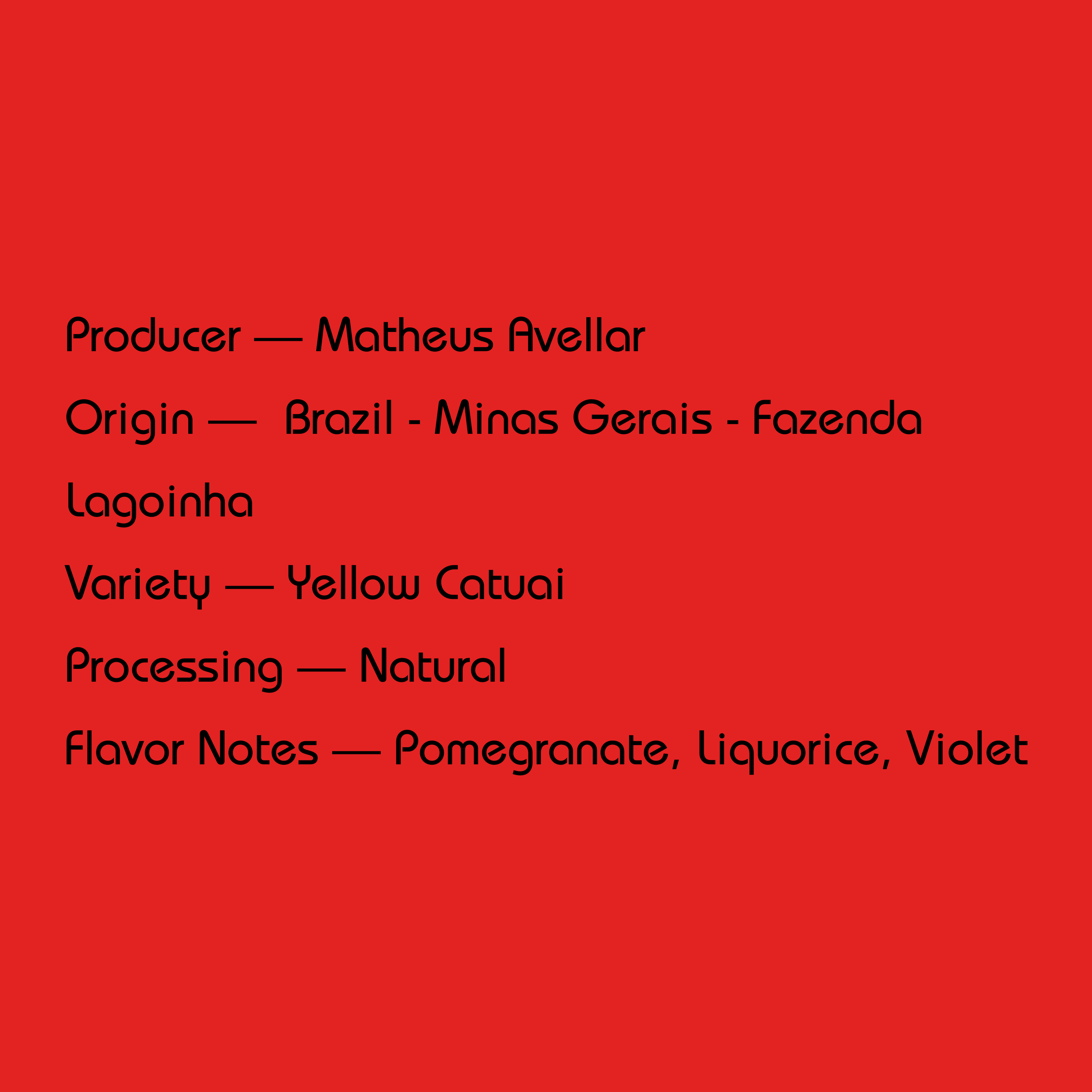 Image 2 of 2
Cost per 250mL serving - $ 1.62
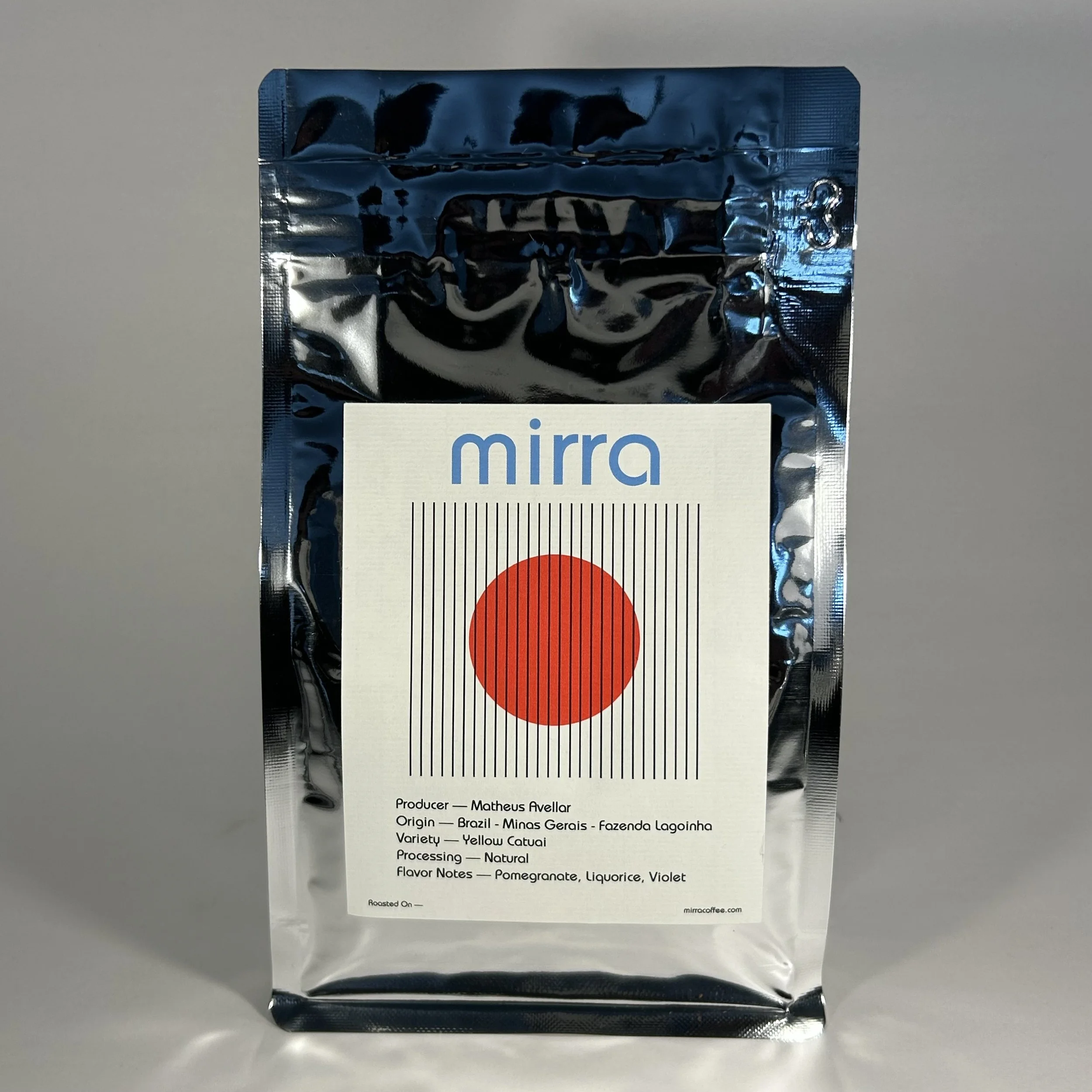
One of our continuing focuses this season has been to find truly and surprisingly outstanding lots from Brazil—which has earned a reputation for producing primarily lots of lower complexity, sweetness, and general quality; so, we set ourselves the challenge of finding lots which buck this reputation, and this is the very first lot that most definitely did so, and then some. In this fully natural yellow catuai produced by Matheus Avellar of Fazenda Lagoinha, we find a pleasing layered complexity, an abundance of subtly winey, grenadine-like pomegranate, sweet black liquorice, and deep, aromatic violet. This coffee represents the true potential of Brazilian coffee—nuance, complexity, sweetness, delicate aromatics, and bright acidity without any of that hollow, grainy, nutty character that is so common to coffees from Brazil.
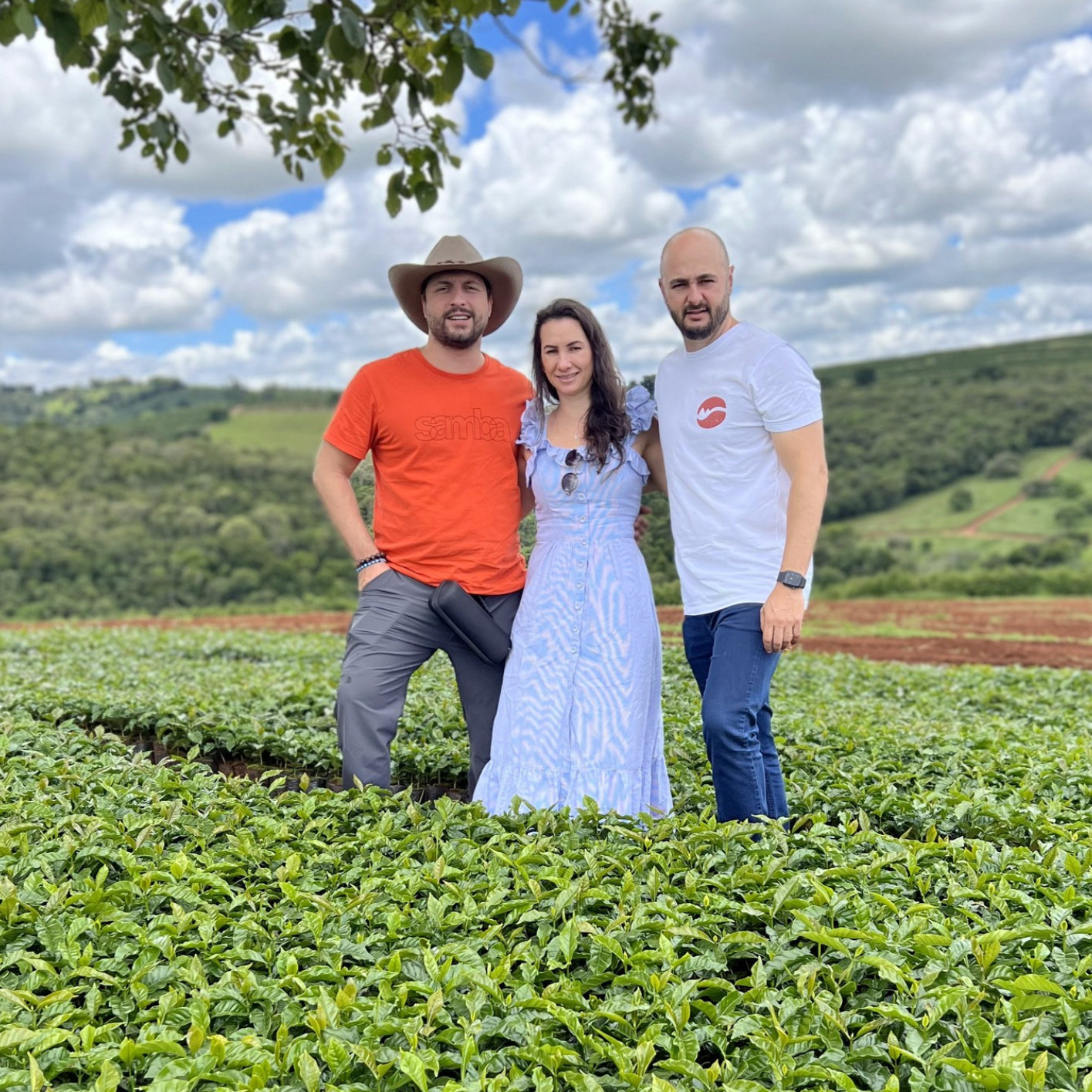
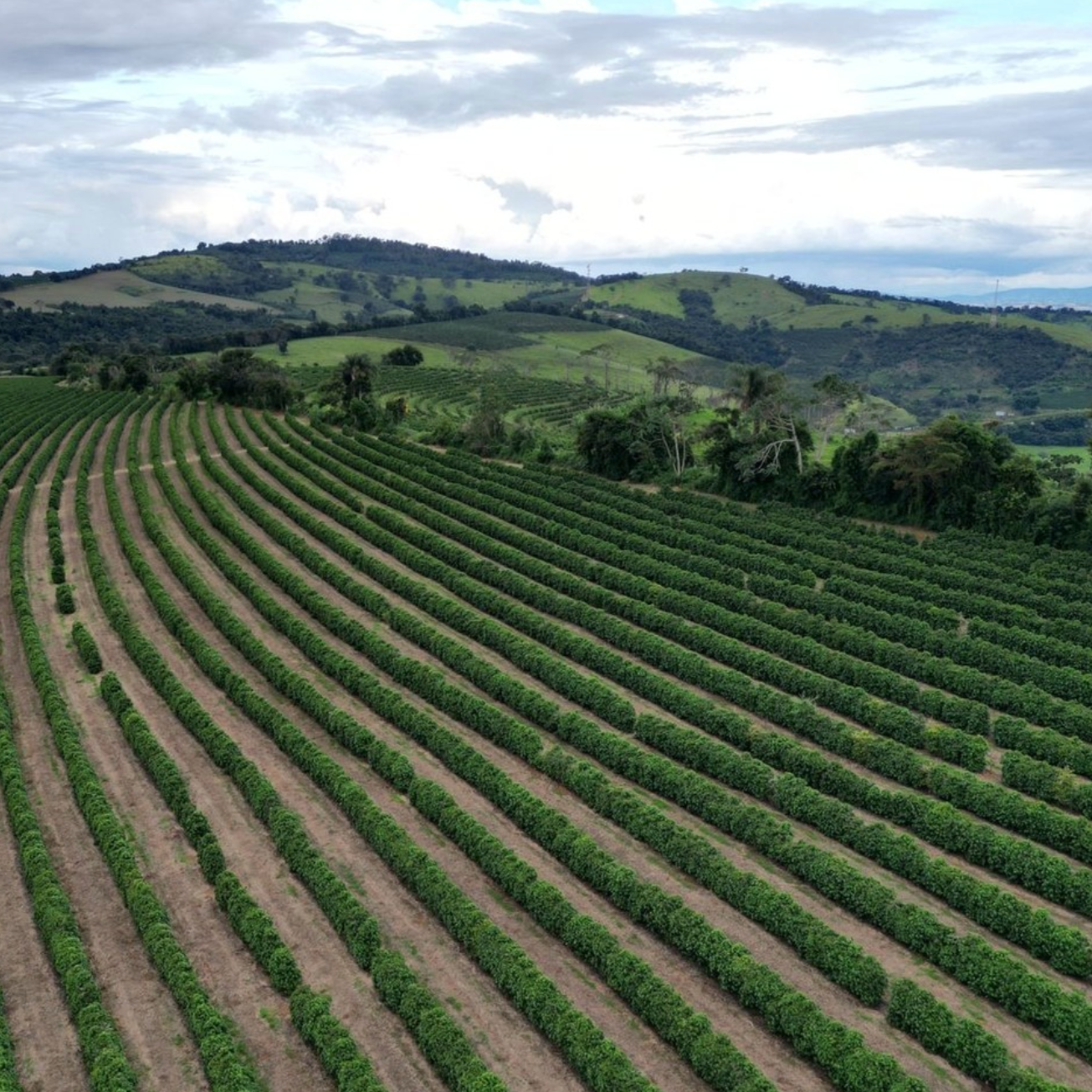
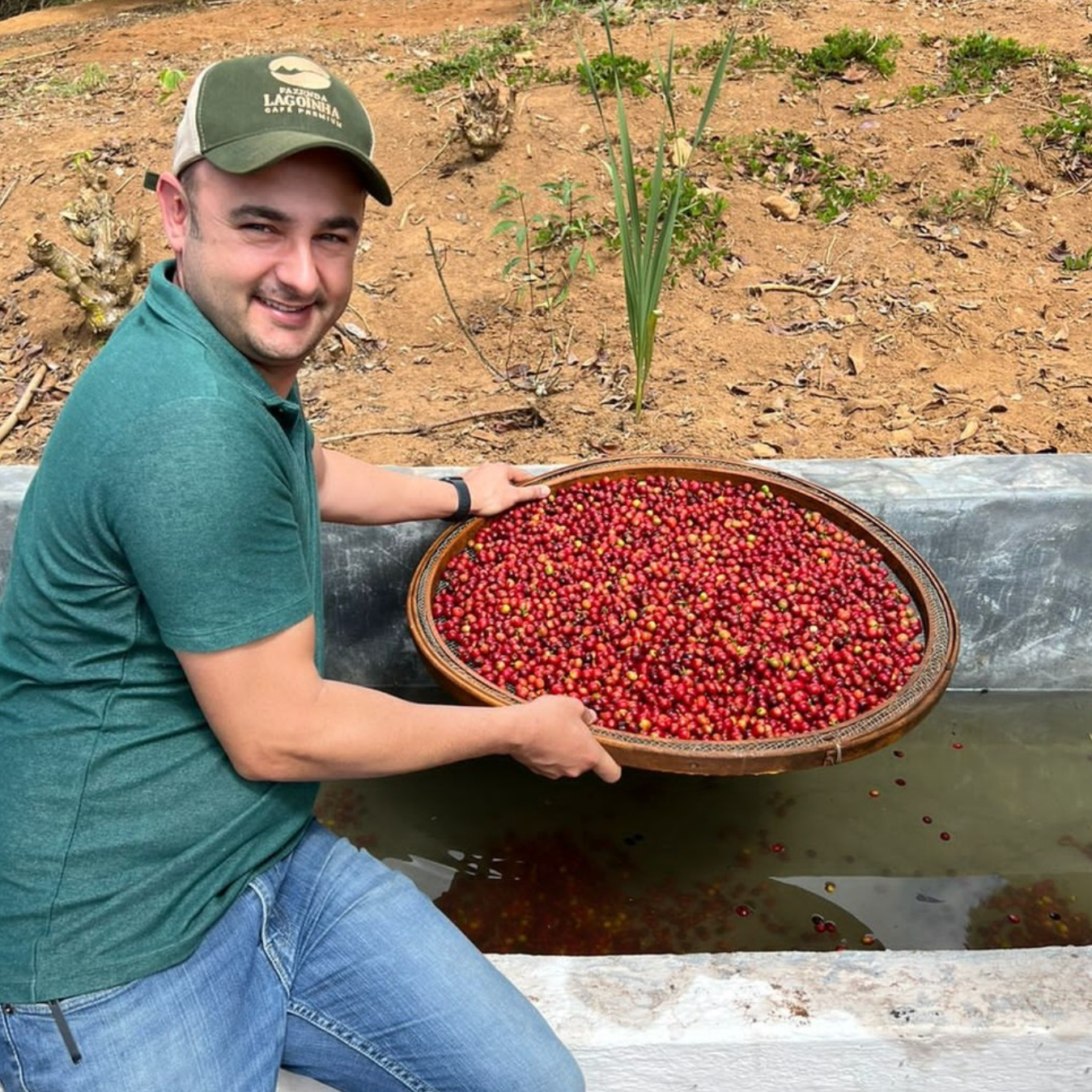
Located at 1.100 masl, Fazenda Lagoinha is made up of approximately 120 hectares of land dedicated to coffee cultivation, and an additional 62 hectares of natural preserve surrounding and protecting the farm. It was originally founded in the 1920s as a commercial coffee farm, but was converted to specialty coffee production in 2019, when Matheus and his business partner, Carlos Canellas purchased the farm. Since its purchase, Mr. Avellar has transformed Fazenda Lagoinha into a highly sustainable farm, capable of producing lots of outstanding quality, as evidenced by this one. Besides yellow catuai, Matheus also cultivates geisha, mundo novo, and arara.
Catuai is the result of cross-breeding mundo novo and caturra, and was initially created in 1949 by the Agronomic Institute of Sao Paulo, Brazil, and released for cultivation in 1972. It is a smaller plant, being much more compact than caturra, which allows farms to plant them at a higher density, increasing overall yield and productivity. One of its primary drawbacks is its high susceptibility to leaf rust. Catuai can be found growing in both yellow- and red-fruited types. It remains a primarily Brazilian variety, with the exception of Guatemala, where it makes up around 20% of their total production.
All coffee is sold whole-bean to reduce oxidation, and increase the longevity of volatile organic compounds.
Cost per 250mL serving - $ 1.62
One of our continuing focuses this season has been to find truly and surprisingly outstanding lots from Brazil—which has earned a reputation for producing primarily lots of lower complexity, sweetness, and general quality; so, we set ourselves the challenge of finding lots which buck this reputation, and this is the very first lot that most definitely did so, and then some. In this fully natural yellow catuai produced by Matheus Avellar of Fazenda Lagoinha, we find a pleasing layered complexity, an abundance of subtly winey, grenadine-like pomegranate, sweet black liquorice, and deep, aromatic violet. This coffee represents the true potential of Brazilian coffee—nuance, complexity, sweetness, delicate aromatics, and bright acidity without any of that hollow, grainy, nutty character that is so common to coffees from Brazil.
Located at 1.100 masl, Fazenda Lagoinha is made up of approximately 120 hectares of land dedicated to coffee cultivation, and an additional 62 hectares of natural preserve surrounding and protecting the farm. It was originally founded in the 1920s as a commercial coffee farm, but was converted to specialty coffee production in 2019, when Matheus and his business partner, Carlos Canellas purchased the farm. Since its purchase, Mr. Avellar has transformed Fazenda Lagoinha into a highly sustainable farm, capable of producing lots of outstanding quality, as evidenced by this one. Besides yellow catuai, Matheus also cultivates geisha, mundo novo, and arara.
Catuai is the result of cross-breeding mundo novo and caturra, and was initially created in 1949 by the Agronomic Institute of Sao Paulo, Brazil, and released for cultivation in 1972. It is a smaller plant, being much more compact than caturra, which allows farms to plant them at a higher density, increasing overall yield and productivity. One of its primary drawbacks is its high susceptibility to leaf rust. Catuai can be found growing in both yellow- and red-fruited types. It remains a primarily Brazilian variety, with the exception of Guatemala, where it makes up around 20% of their total production.
All coffee is sold whole-bean to reduce oxidation, and increase the longevity of volatile organic compounds.