

 Image 1 of 2
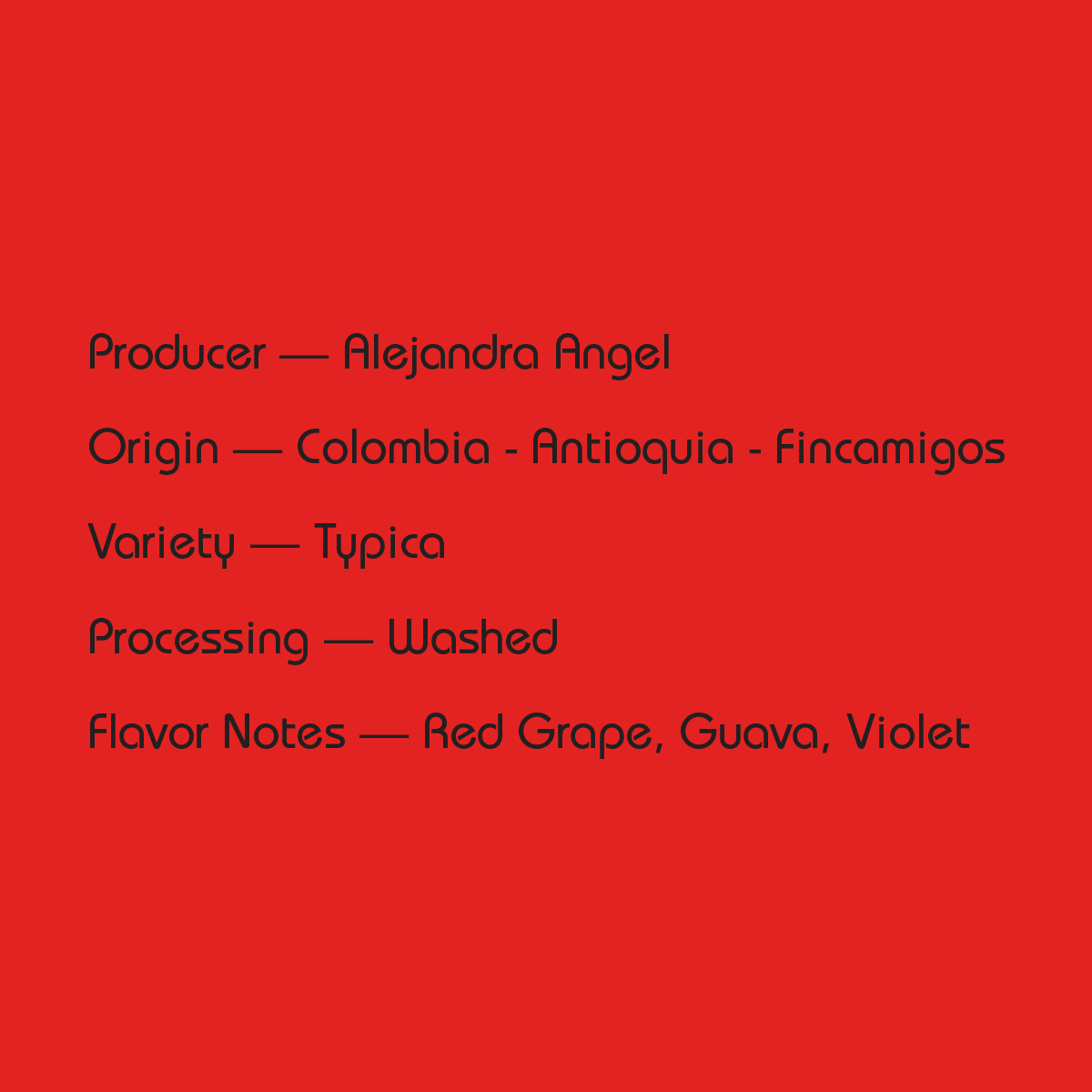 Image 2 of 2
Cost per 250mL serving - $1.75
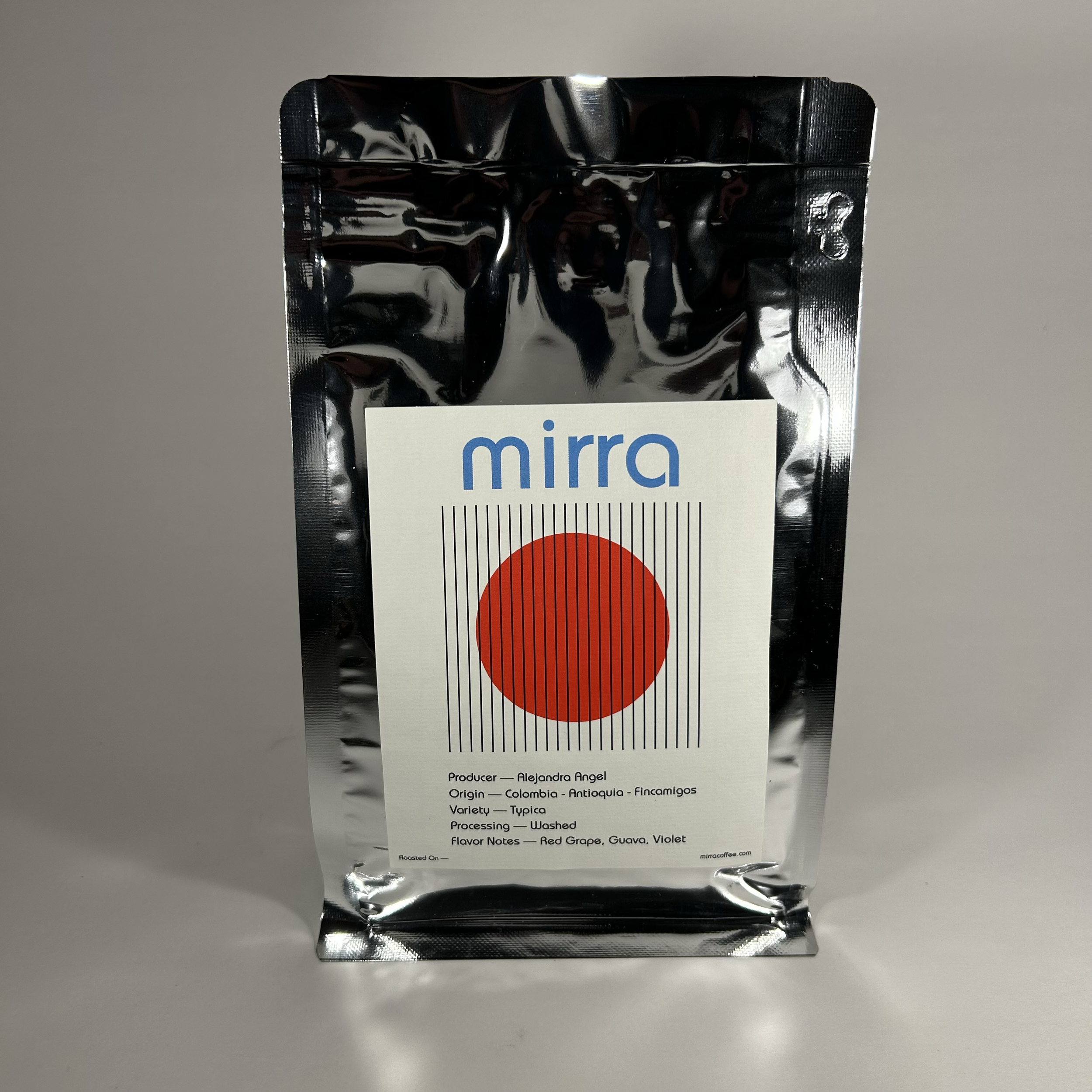
Typica is one of the most ubiquitous and well-known varieties of C. arabica, particularly in South America. It is characterized by its high quality potential at altitude, plant height, very low production yield, and susceptibility to major coffee diseases. Typica originated in southwestern Ethiopia, and was taken to Yemen in the 15th or 16th century. By the turn of the 18th century, typica taken from Yemen was already being cultivated in India. In 1696 and 1699, typica seeds were taken from the Malabar Coast of India and planted on the island of Batavia—today’s Java in Indonesia. It is these seeds which provide the genetic stock for what is known and distinguished today as the distinct typica variety. In 1706, a single typica plant was shipped from Java to Amsterdam, where it was planted in the royal Dutch botanical gardens; in 1714, a typica plant descended from this Dutch royal tree was shared with the French royalty, who then used the genetic material from this single plant to cultivate coffee in Suriname, French Guiana, Brazil, Martinique, Jamaica, the West Indies, Santo Domingo, Cuba, El Salvador, Costa Rica, and in essence, the remainder of European colonial possessions in the Caribbean, Central, and South America. Because of its low yield, and vulnerability to leaf rust, typica is less popular than it used to be, but remains common in the Americas and South East Asia.
All coffee is sold whole-bean to reduce oxidation, and increase the longevity of volatile organic compounds.
Cost per 250mL serving - $1.75
Typica is one of the most ubiquitous and well-known varieties of C. arabica, particularly in South America. It is characterized by its high quality potential at altitude, plant height, very low production yield, and susceptibility to major coffee diseases. Typica originated in southwestern Ethiopia, and was taken to Yemen in the 15th or 16th century. By the turn of the 18th century, typica taken from Yemen was already being cultivated in India. In 1696 and 1699, typica seeds were taken from the Malabar Coast of India and planted on the island of Batavia—today’s Java in Indonesia. It is these seeds which provide the genetic stock for what is known and distinguished today as the distinct typica variety. In 1706, a single typica plant was shipped from Java to Amsterdam, where it was planted in the royal Dutch botanical gardens; in 1714, a typica plant descended from this Dutch royal tree was shared with the French royalty, who then used the genetic material from this single plant to cultivate coffee in Suriname, French Guiana, Brazil, Martinique, Jamaica, the West Indies, Santo Domingo, Cuba, El Salvador, Costa Rica, and in essence, the remainder of European colonial possessions in the Caribbean, Central, and South America. Because of its low yield, and vulnerability to leaf rust, typica is less popular than it used to be, but remains common in the Americas and South East Asia.
All coffee is sold whole-bean to reduce oxidation, and increase the longevity of volatile organic compounds.