

 Image 1 of 2
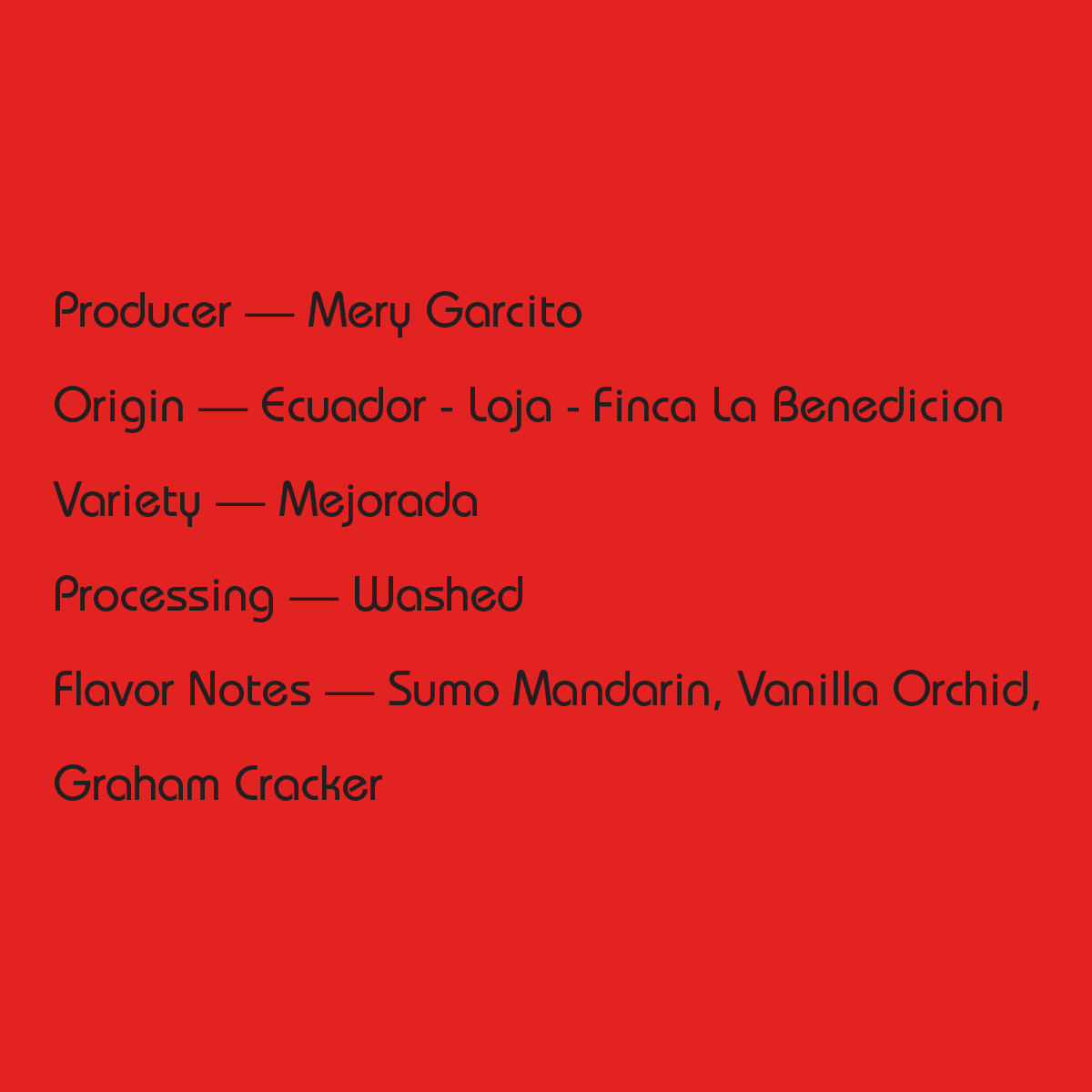 Image 2 of 2
Cost per 250mL serving - $2.00
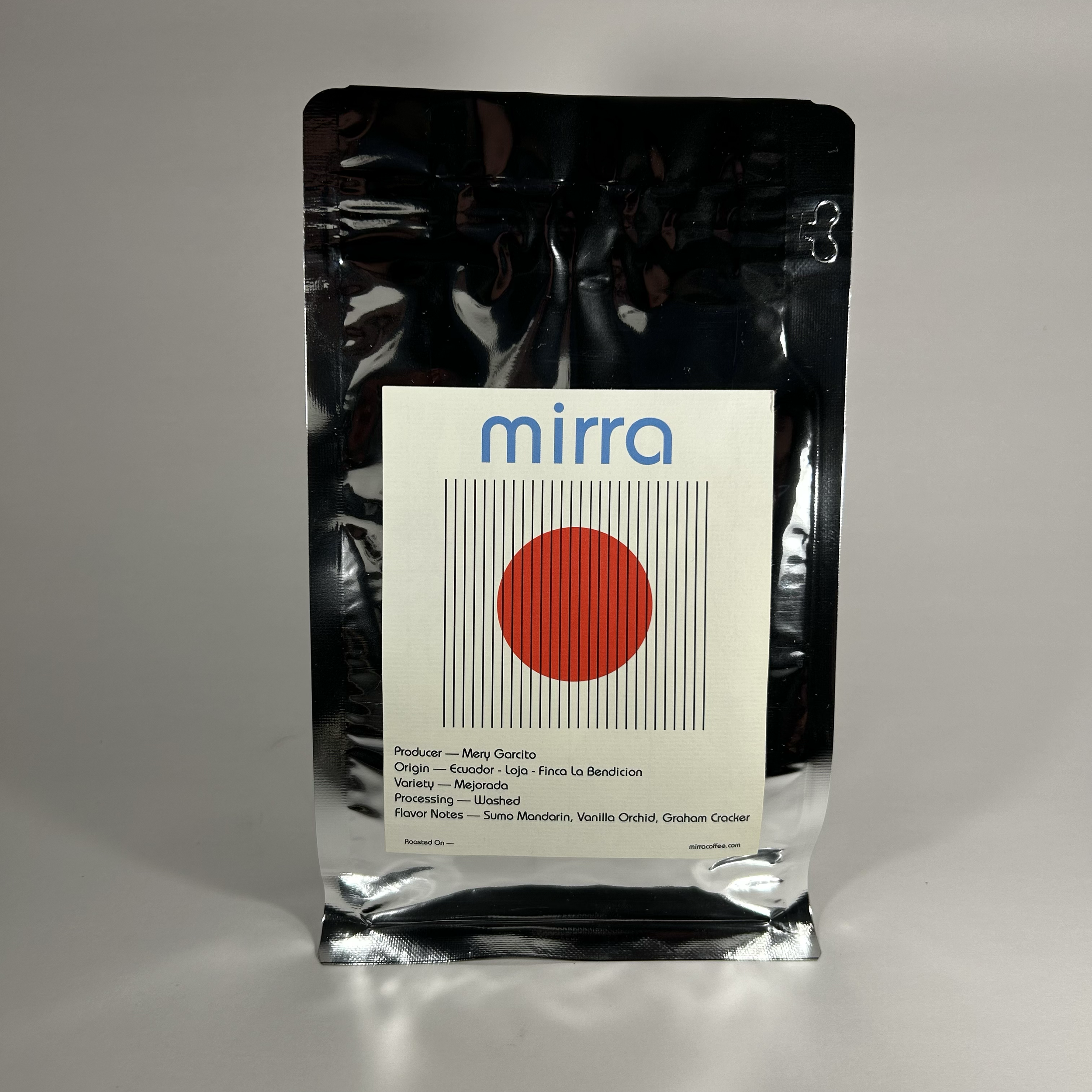
The origins of mejorada, also known as typica mejorada/o, aren’t certain, but at present it is believed to be the product of a Nestle coffee research lab in Pinchincha, Ecuador. A technician at this facility named Don Olger Rogel was the first to identify two unique F1 hybrid varieties which presented unusually high potential for quality in the cup, namely, sidra and mejorada. Mejorada seeds from this project were then shared with Pepe Jijon, who in 2010 became the first producer to plant the variety, which he planted on his farm, Finca Soledad, in Imbabura, Ecuador. Despite often being referred to as ‘typica mejorada/o’, mejorada is in fact not a descendent of typica at all, instead being a bourbon descendent; this name is believed to be a reference to its similarity with typica in flavor profile, rather than its genetic composition. For this reason, we simply refer to it as ‘mejorada’. Today, mejorada cultivation remains largely exclusive to Ecuador, although every year we discover new origins, such as Colombia and Costa Rica, which are beginning to grow it.
All coffee is sold whole-bean to reduce oxidation, and increase the longevity of volatile organic compounds.
Cost per 250mL serving - $2.00
The origins of mejorada, also known as typica mejorada/o, aren’t certain, but at present it is believed to be the product of a Nestle coffee research lab in Pinchincha, Ecuador. A technician at this facility named Don Olger Rogel was the first to identify two unique F1 hybrid varieties which presented unusually high potential for quality in the cup, namely, sidra and mejorada. Mejorada seeds from this project were then shared with Pepe Jijon, who in 2010 became the first producer to plant the variety, which he planted on his farm, Finca Soledad, in Imbabura, Ecuador. Despite often being referred to as ‘typica mejorada/o’, mejorada is in fact not a descendent of typica at all, instead being a bourbon descendent; this name is believed to be a reference to its similarity with typica in flavor profile, rather than its genetic composition. For this reason, we simply refer to it as ‘mejorada’. Today, mejorada cultivation remains largely exclusive to Ecuador, although every year we discover new origins, such as Colombia and Costa Rica, which are beginning to grow it.
All coffee is sold whole-bean to reduce oxidation, and increase the longevity of volatile organic compounds.